Why is losing weight still treated like a mystery sealed by monks in a mountain temple? You eat better. You move more. That’s it. But if you’ve tried moving more and still feel stuck, it’s probably because not all exercises are created equal — some torch way more calories and build strength faster than others.
Here’s the thing: not every workout looks like an Instagram gym selfie. Some are fun. Some feel oddly old‑school. But they work. And they fit into real lives — the kind with jobs, errands, kids, Zoom calls, and pets stepping on your yoga mat.
So let’s talk about the top weight‑loss exercises for 2026 — the ones that burn fat, boost your mood, and don’t require you to feel like a marathon runner just to start.

Why These Work (And Why It Matters Right Now)
First, a quick real‑world reality check: calories in vs. calories out still matter. If you burn more energy than you consume, you lose weight. That’s basic physics, not wellness marketing.
But equally important — and where a lot of people struggle — is consistency and enjoyment. If an exercise feels like punishment, you won’t stick with it. So I’ve picked exercises that:
- Burn significant calories compared with their time investment
- Build or preserve muscle (muscle burns more calories at rest than fat)
- Are scalable — meaning beginners can start slowly and progress
- Work with modern lifestyles (travel, at home, outdoors)
I’ll break down how to get started, how many calories you might burn, and how to structure them into a weekly plan that isn’t soul‑crushing.
1. Jumping Rope — The Most Efficient 10‑Minute Fat Blaster
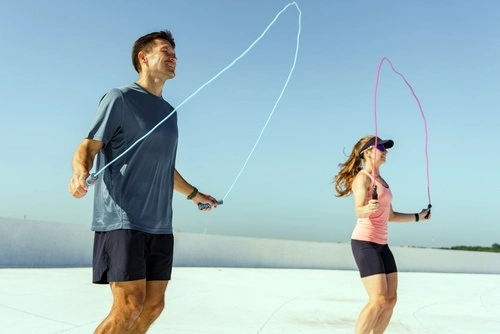
Jump rope feels goofy if you haven’t done it since second grade. But trust me, 10 minutes at the right pace = serious calorie burn.
Most people underestimate this:
🏃♂️ Ten minutes of steady skipping can burn as many calories as 30 minutes on a treadmill walk at moderate pace — sometimes more.
Tip: If your shoulders or forearms fatigue, slow down or switch footwork (single bounce → alternate feet → high knees).
Why it works
- Boosts heart rate fast
- Works calves, core, arms, glutes
- Great as a warm‑up or stand‑alone session
- Super cheap and travel‑friendly
How to start (beginner)
- Warm up 2 minutes (march in place)
- Jump for 30 seconds
- Rest 30 seconds
- Repeat 6–8 rounds
Goal over time: up the jump time, lower the rest.
Calories burned (rough guide)
- 10 min moderate: ~100–150 calories
- 10 min intense: ~150–220 calories
(Depends on weight and speed.)
2. Swimming — Low Impact + High Burn
If running feels like torture on your knees or hips, swimming is that sweet spot where impact goes to zero but results stay real.

This matters more now than ever: joint issues are common, and exercise shouldn’t make you dread putting on shoes.
Why it works
- Full‑body resistance + cardio
- Great for joints and back pain
- Can be gentle or intense depending on stroke
- You feel like a kid again (sometimes)
How to structure
- Beginner: 20–30 min easy laps, focus on form
- Intermediate: 30–45 min with intervals
- Advanced: Add drills (fast 50s with rest, kickboard work)
Calories burned (per hour)
- Freestyle easy: ~400–500
- Moderate (laps): ~500–700
- Vigorous: ~700–900
Even swimming 30 mins 3–4 times/week can build endurance, improve lipids (cholesterol), and support weight loss without brutal soreness.
3. Strength Training — The “Secret Sauce” Most People Ignore
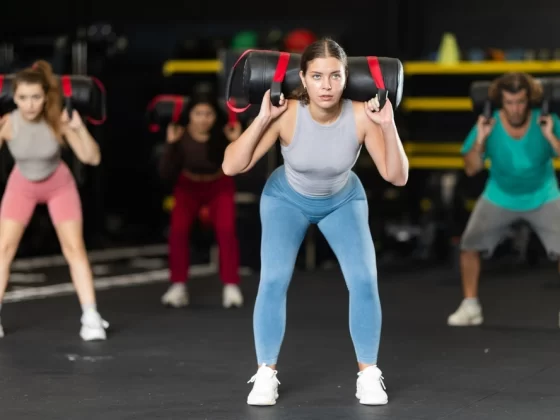
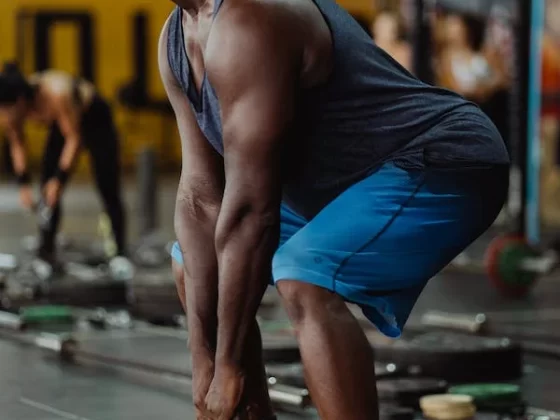
Ask ten gym newbies what burns the most calories: Nine will say cardio. But here’s the truth: strength training builds muscle, and muscle burns fat around the clock.
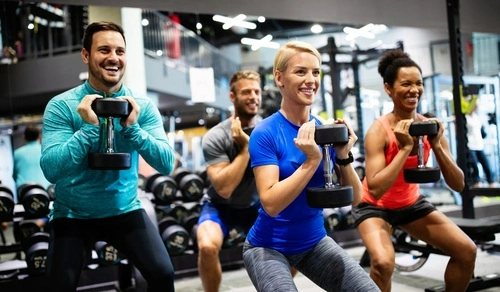
Not to get nerdy, but your resting metabolic rate (calories your body burns while doing nothing) is heavily influenced by how much muscle you carry.
Why strength matters
- Preserves lean mass while losing weight
- Improves posture and joint health
- Boosts functional strength (everyday movement)
Starting template (no gym required)
Perform 2–4 sets of each, 8–12 reps per exercise:
- Squats
- Push‑ups
- Bent‑over rows (with dumbbells or water bottles)
- Glute bridges
- Planks
Begin with 2 days/week. Progress to 3–4.
Hit the “afterburn”
You don’t just burn calories during lifting. You burn more after lifting than after most cardio sessions thanks to something called EPOC (excess post‑exercise oxygen consumption).

4. Pilates — Burn Fat While Strengthening Your Core
Look, Pilates isn’t going to melt fat as fast as HIIT or swimming. But it sets you up in a way few workouts do: strong posture + a stable core = safer, more effective training across everything else.’
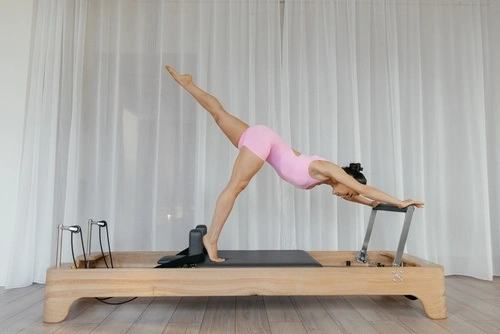
Pilates also improves breathing, alignment, and helps reduce back pain — huge wins if you’ve been stuck behind a desk.
What makes Pilates worth your time
- Long‑term posture and mobility
- Enhanced mind‑body connection
- Stronger core = better performance in other workouts
How to practice
Classes or online videos (Mat Pilates) — twice per week, 30–45 minutes.
Truth: it’s not a heavy burner on its own. But as part of a balanced fitness plan, it keeps you moving longer and with better form. That’s real gain.
5. Jogging — Old School But Still Effective
Jogging feels… basic. But simplicity is its strength. You don’t need fancy equipment (just decent running shoes), you can do it nearly anywhere, and your heart, lungs, legs, and brain all benefit.

How jogging helps
- Burns calories efficiently
- Strengthens lower‑body musculature
- Can be social (runs with friends)
- Improves mood and stress tolerance
Real‑World Plan
Beginner: walk–jog intervals
- Warm‑up 5 mins
- Jog 1 min, walk 2 mins × 8
- Cool down 5 mins
Intermediate/Advanced:
- Increase jog time
- Add hills or fartlek (speed play)
Approx calories (30 minutes)
- Walk/jog combo: ~200–300
- Moderate jog: ~300–450
(Varies by pace/weight)
Combine jogging with strength training 3–5 days/week and you’ve got a reliable fat‑loss engine.
6. Stair Climbing — No Gym, No Machine, No Excuses
This one’s always available if you live in an apartment, work in a multi‑story building, or have a park with a stair set nearby.

Stairs are deceptively hard. Every step is like a mini squat with resistance.
Why stairs pack a punch
- Builds glutes, quads, calves
- Elevates heart rate quickly
- Needs zero equipment
How to do it
- Beginner: 5–10 mins at a time
- Intermediate: 10–20 mins with brisk pace
- Advanced: Weighted backpack or skipping steps
This feels tough fast — which is good. Short, intense sessions equate to big calorie burns.
Estimated burn (10 mins)
- ~100–180 calories
(Depends on speed, weight, number of flights)
7. Hiking — Fat Loss That Feels Like Play
Let’s be honest: hiking feels way less like exercise and way more like adventure. Trails offer variable terrain, elevation changes, and distractions like views, birds, and that triumphant feeling when you reach a summit.

Because your body fights gravity more on uneven terrain, hiking can burn as many calories as jogging while being easier on your joints.
Benefits that matter in real life
- Strengthens core and legs without impact
- Fresh air + nature = mood boost
- Social or solo activity
- Flexible time (20 min or full day)
How to maximize it
- Add a packed day hike once a week
- Wear a light backpack for extra resistance
- Choose hilly terrain to boost heart rate
Hiking hits that sweet spot: it’s fitness and mental reset in one.
How to Build a Weekly Weight‑Loss Exercise Plan
You don’t need to do everything every day. Here’s a solid, balanced weekly schedule that builds energy instead of fatigue:
| Day | Activity |
|---|---|
| Mon | Strength training |
| Tue | Jogging or stairs |
| Wed | Swimming or Pilates |
| Thu | Strength training |
| Fri | Jump rope + short jog |
| Sat | Hiking (longer session) |
| Sun | Rest or gentle walking |
This layout mixes cardio, strength, and recovery — the three pillars of sustainable weight loss.
Exercise Isn’t a Solo Act — Diet Matters Too
I shouldn’t have to say it but here goes: you can’t out‑exercise a bad diet. Intermittent fasting, low‑carb, higher protein, Mediterranean diet — all can work. But the common thread is:
- Whole foods beat ultra‑processed foods
- Protein keeps you full longer
- Vegetables add volume without tons of calories
- Hydration supports workouts and mood
A simple rule I like:
Eat real food, move often, sleep enough. Everything else is detail.
The Psychology of Staying Consistent
Burnout is the enemy of weight loss. The best exercise plan is the one you actually stick with.
Here’s how to build consistency:
1. Make it non‑negotiable
Schedule workouts like appointments you can’t cancel.
2. Track something real
Not just weight — track workouts, how you feel after, how clothes fit.
3. Mix it up
Cycling through activities prevents boredom and overuse injuries.
4. Celebrate small wins
Inches lost, faster times, more reps — these matter more than the scale.
Takeaway
Weight loss isn’t magic. It’s movement + nutrition + consistency. And it doesn’t need to be miserable. Short, powerful workouts like jump rope and stairs can burn big calories fast. Strength training preserves muscle. Swimming and hiking make fitness joyful. Pilates tones and balances. Jogging keeps your heart happy.
Mix these intelligently, keep real food on your plate, rest when you need it, and your body will change — not because of punishment, but because it gets the tools it needs to adapt.
Bottom Line
Real, sustainable weight loss doesn’t come from punishing workouts. It comes from choosing exercises you enjoy and can maintain — then pairing them with food that fuels progress. This year, find movement that feels good, fits your life, and actually gets done.