Most people don’t quit strength training because it’s too hard—they quit because it feels pointless. You spend weeks doing random exercises, nothing changes, and suddenly Netflix wins again.
The truth is, strength training works fast when it’s done right. Not perfectly. Just right enough. A handful of well-chosen movements, done consistently, will get you further than a complicated routine you abandon in two weeks. This guide keeps things simple, grounded, and actually useful—no fluff, no overcomplication.

Why Strength Training Still Matters (More Than Ever)
We sit more than we move. That’s just the reality now. Long hours at a desk, commuting, scrolling—it all adds up. And your body adapts… just not in a good way.
Muscles weaken. Joints stiffen. Energy drops.
Strength training reverses that.
Here’s what actually happens when you train regularly (2–3 times a week):
- You build lean muscle, which increases your resting metabolism
- You improve insulin sensitivity, lowering risk of type 2 diabetes
- You protect joints and bones, reducing injury risk as you age
- You burn more calories after workouts (that “afterburn” effect is real, though modest)
According to the CDC and WHO, adults should aim for at least two strength sessions per week, targeting all major muscle groups. That’s not extreme. It’s the baseline.
What Counts as Strength Training?
It’s simpler than people make it.
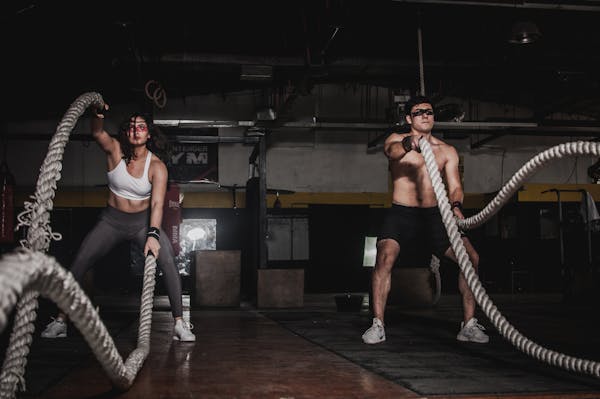
Strength training = applying resistance to muscles so they adapt.
That resistance can be:
- Dumbbells
- Resistance bands
- Machines
- Your own body weight
The key is this: by the last few reps, it should feel hard. Not impossible, but close.
A solid beginner structure:
- 8–10 exercises
- 8–12 reps each
- 2–3 sessions per week
You don’t need a gym. A pair of dumbbells at home works. Even water bottles in the beginning. It’s not glamorous, but it gets the job done.
How Often Should You Train?
This is where people either overdo it or disappear completely.
Keep it realistic:
- Beginners: 2–3 days per week
- Rest at least one day between working the same muscle group
- Alternate focus (upper body one day, lower body another)
Early on, strength gains come from your nervous system learning efficiency. Muscle growth comes later. That’s why the first few weeks feel easier than expected.
Stick with it. That’s when visible changes start.
Before You Lift: Warm-Up (Don’t Skip This)
Skipping a warm-up feels efficient… until something pulls.
Spend 5 minutes doing:
- Light cardio (jump rope, brisk walking, cycling)
- Dynamic movements (arm circles, leg swings)
Then add light stretching, especially for:
- Hamstrings
- Shoulders
- Hips
Keep it short. You’re preparing, not exhausting yourself.

After You Lift: Cooldown (Yes, Also Important)
You don’t need a 20-minute ritual. Just enough to reset.
- 2–3 minutes light movement
- 5 minutes stretching
This helps reduce stiffness and makes your next workout less painful.
The 6 Best Strength Training Exercises That Cover Everything
No fancy machines. No unnecessary variations. Just movements that work.
1. Goblet Squat (Your Lower Body Foundation)
This one fixes a lot of problems—weak legs, poor posture, tight hips.
How to do it:
- Hold a dumbbell at chest level
- Feet shoulder-width apart
- Sit back like you’re lowering into a chair
- Keep heels flat
- Go low enough that elbows touch knees
Why it works:
- Targets quads, glutes, and core
- Teaches proper squat form safely
Tip:
If your heels lift, your ankles are tight. Elevate your heels slightly or reduce depth.
2. Thruster Squat (Full-Body Burner)
This is where strength meets cardio. You’ll feel it fast.
How to do it:
- Hold weights at shoulder height
- Squat down
- Drive up and press weights overhead
Why it works:
- Combines lower and upper body
- Boosts heart rate
- Saves time
Reality check:
If it feels chaotic, slow down. Control matters more than speed.
3. Plank Rows (Core + Back in One Move)
This one exposes weak cores instantly.
How to do it:
- Start in push-up position with dumbbells
- Row one weight up while stabilizing your body
- Alternate sides
Why it works:
- Trains core stability
- Strengthens upper back and arms
Common mistake:
Twisting your hips. Keep them steady, even if that means lighter weights.
4. Overhead Triceps Extension (Goodbye, Arm Jiggle)
Not glamorous, but effective.
How to do it:
- Hold a dumbbell overhead
- Lower it behind your head
- Extend back up
Why it works:
- Targets the triceps directly
- Improves arm definition
Tip:
Keep elbows close. If they flare out, the tension shifts away from the triceps.
5. Hammer Curls (More Than Just Biceps)
A small tweak makes a big difference here.
How to do it:
- Hold dumbbells with palms facing inward
- Curl up slowly
- Lower with control
Why it works:
- Builds biceps and forearms
- Improves grip strength
Practical benefit:
Stronger grip helps with everything—from lifting groceries to heavier workouts later.
6. Dumbbell Row (The Posture Fixer)
If you sit a lot, you need this.
How to do it:
- One knee and hand on a bench
- Pull the dumbbell toward your ribcage
- Lower slowly
Why it works:
- Strengthens back muscles
- Counters rounded shoulders
Tip:
Think “pull with your elbow,” not your hand. It improves muscle engagement.
A Simple Weekly Plan (That You’ll Actually Stick To)
Keep it straightforward:
Day 1 (Full Body):
- Goblet Squats
- Dumbbell Rows
- Hammer Curls
Day 2 (Rest or light activity)
Day 3 (Full Body):
- Thrusters
- Plank Rows
- Triceps Extensions
Repeat weekly.
That’s it. No overthinking.
How to Progress Without Burning Out
This is where most routines fail.
Instead of constantly switching workouts, do this:
- Add 1–2 reps each week
- Or increase weight slightly
- Or add one extra set
Not all at once. Just one change at a time.
Consistency beats intensity every single time.

Common Mistakes That Stall Progress
Let’s be blunt. These are everywhere.
- Lifting too light forever
If it’s easy, it’s not working. - Changing routines too often
Stick with exercises long enough to improve. - Skipping rest days
Muscles grow when you recover. - Ignoring form
Bad reps = wasted effort (and possible injury)
What Results Actually Look Like (Realistic Expectations)
This part matters.
In the first 2–4 weeks:
- You feel stronger
- Movements feel easier
After 6–8 weeks:
- Muscle tone becomes visible
- Energy improves
After 3 months:
- Noticeable body composition changes
No overnight transformations. But steady, reliable progress.
Conclusion
Strength training doesn’t need to be complicated to work. In fact, the simpler it is, the more likely you’ll stick with it. A few well-executed exercises, repeated consistently, will outperform any trendy program you can’t maintain.
The real shift happens when training becomes part of your routine instead of something you “try” occasionally. That’s when your body starts responding in a meaningful way—stronger muscles, better movement, and more energy in everyday life.
Practical takeaway
Start with just two sessions this week. Not five. Not perfect. Just two.
Do the six exercises above, keep your form clean, and stop chasing shortcuts. That’s usually where things finally start working.
Sources
- CDC Physical Activity Guidelines: https://www.cdc.gov/physicalactivity/basics/adults/index.htm
- WHO Physical Activity Recommendations: https://www.who.int/news-room/fact-sheets/detail/physical-activity
- Harvard Health – Strength Training Benefits: https://www.health.harvard.edu/staying-healthy/strength-training-builds-more-than-muscles